Civil Liberties, Civil Rights, Human Rights, Political Prisoner, Prison Industry, Torture
Podcast: Play in new window | Download
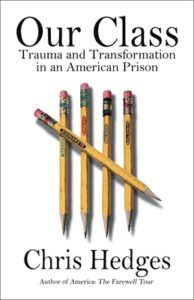
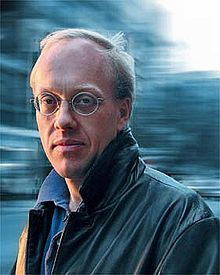
Our Class: Trauma and Transformation in an American Prison
American society is in an ever deepening crisis. Half the population is poor or near poor. Three men including Jeff Bezos of Amazon own as much as all these tens of millions of people combined. Climate catastrophe threatens life on our planet. Equally threatening is a very real potential for a nuclear war. Democracy and the rule of law are in free fall.
A manifestation of this societal crisis is our system of mass incarceration. It is the largest in the world, warehousing well over 2 million people. It is, along with militarized police, the primary form of social control, especially for poor people of color, in de-industrialized cities where the poor have been abandoned and are treated little better than human refuse.
Black Americans have especially suffered. They are incarcerated in state prisons at nearly 5 times the rate of white Americans. Nationally, one in 81 Black adults in the U.S. is serving time in state prison. Wisconsin leads the nation in Black imprisonment rates; 1 of every 36 Black Wisconsinites is in prison. In 12 states, more than half the prison population is Black: Alabama, Delaware, Georgia, Illinois, Louisiana, Maryland, Michigan, Mississippi, New Jersey, North Carolina, South Carolina, and Virginia.
Seven states maintain a Black/white disparity larger than 9 to 1: California, Connecticut, Iowa, Maine, Minnesota, New Jersey, and Wisconsin. Chris Hedges has taught in the college degree program offered by Rutgers University in the New Jersey prison system for over a decade.
His new book Our Class: Trauma and Transformation in an American Prison, is the story of a class he taught in East Jersey State Prison. His 28 students, who collectively had spent 515 years in prison, wrote a play about their lives called “Caged.”
The process of writing the play, which was eventually performed at The Passage Theatre in Trenton, New Jersey to sold out audiences and was published by Haymarket Books, ripped down the emotional walls most erect in prison and allowed his students to express in heartbreaking detail the trauma, grief, loss and violence that marked their, as well as the institutionally racist structures, often unseen by those on the outside, which keep the poor poor. And yet, the play they wrote was, at its core, about radical love, the solidarity and bonds that keep them human outside and inside prison walls.
Guest – Chris Hedges spent two decades as a foreign correspondent, 15 of them with The New York Times, covering conflicts in Central America, the Middle East, Africa and the former Yugoslavia. He learned overseas that the evils of empire are the external expression of white supremacy, just as mass incarceration, which he describes as the civil rights issue of our age, is the most brutal internal expression of white supremacy. Prisons , he writes, are the modern iteration of slave plantations. Hedges is the author of 14 books, The winner of a Pulitzer Prize for journalism, a graduate of Harvard Divinity school, and an ordained Presbyterian minister.

———————-
Censorship, Civil Liberties, Civil Rights, Gaza, Guantanamo, Habeas Corpus, Human Rights, Impeachment, Political Prisoner, Prison Industry, Prosecution of the Bush Administration, Racist Police Violence, Right To Dissent, Supreme Court, Surveillance, Targeting Muslims, Torture, Truth to Power, U.S. Militarism, Violations of U.S. and International Law, War Resister, Whistleblowers
Podcast: Play in new window | Download
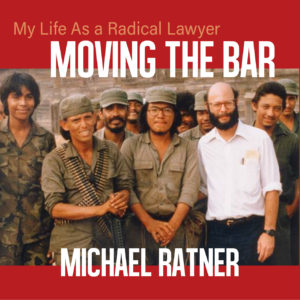
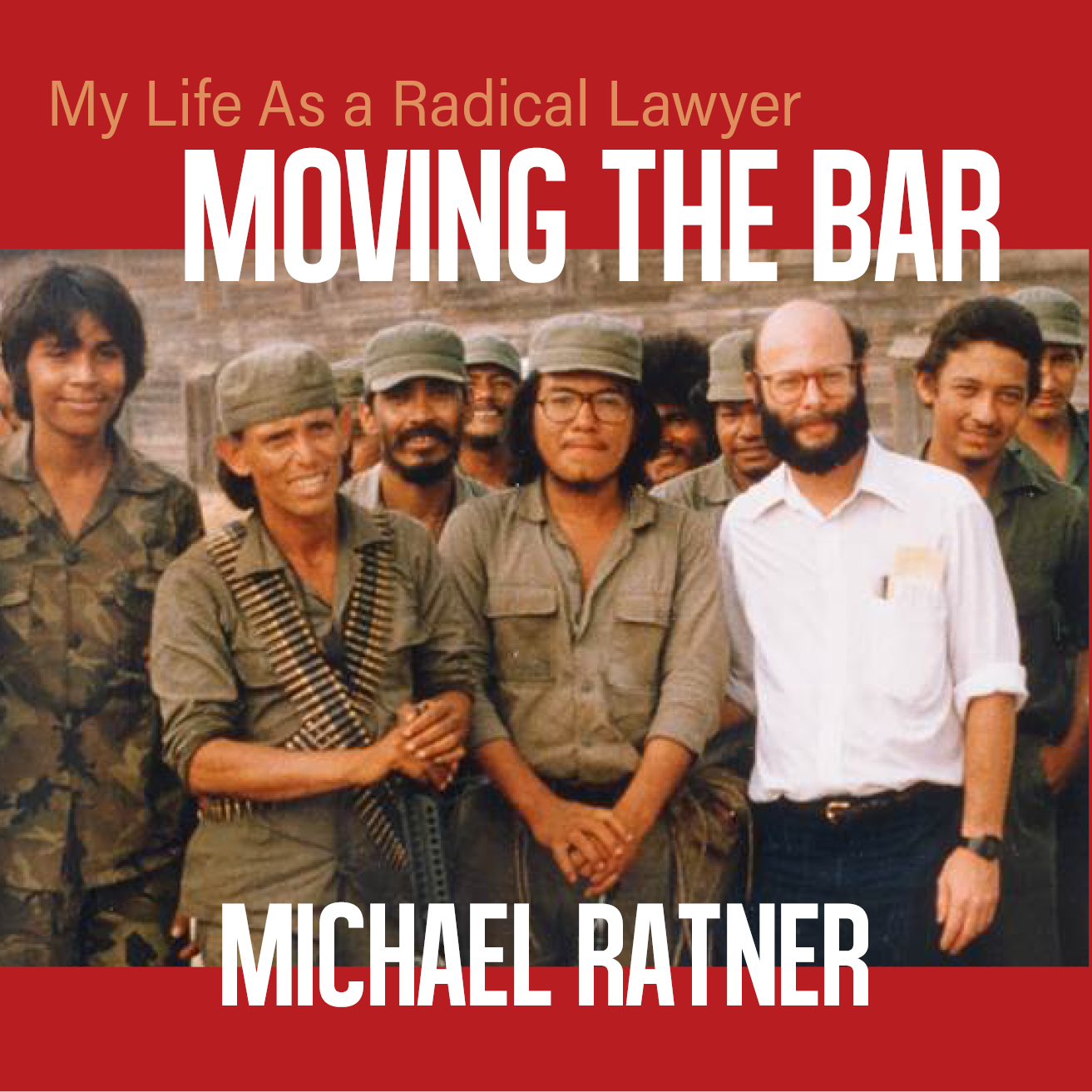
Moving The Bar: My Life As A Radical Lawyer
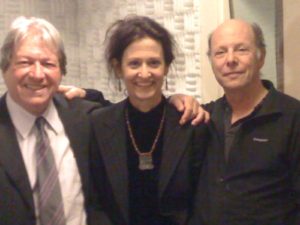
Hosts Heidi Boghosian and Michael Smith interviewed some of Michael Ratner’s closest friends and colleagues as part of a special broadcast highlighting Michael Ratner’s legal work and mentorship. The special also marked the upcoming release of Michael Ratner’s autobiography Moving The Bar: My Life As A Radical Lawyer published by OR Books. In this one hour taken from the two hour fundraiser broadcast, we hear from attorneys including Eleanor Stein, Richard Levy, Ray Brescia, David Cole and Baher Azmy.
Michael Ratner’s pathbreaking legal and political work is unmatched. He provided crucial support for the Cuban Revolution and won the seminal case in the Supreme Court guaranteeing the right of habeas corpus to Guantanamo detainees. Michael also challenged U.S. policy in Iraq, Haiti, Nicaragua, Guatemala, Puerto Rico and Israel-Palestine. This book is a testament to his unflagging efforts on behalf of the poor and oppressed around the world.
– Marjorie Cohn, Professor Emerita, Thomas Jefferson School of Law
Michael Ratner personified lawyering that brought both radical and human values into challenges to the use of governmental power to violate the essence of the Bill of Rights. From the torture of prisoners after 911 to the massive racial profiling by the New York Police Department, Michael’s voice and vision continue to resonate. This book provides a powerful testament to the spirit of this extraordinary man.
– Attorney Bill Goodman
———————————————-
CIA Sponsored Terror, Civil Liberties, Human Rights, Iraq War, Surveillance, Targeting Muslims, Torture, Truth to Power, War Resister
Podcast: Play in new window | Download
—-
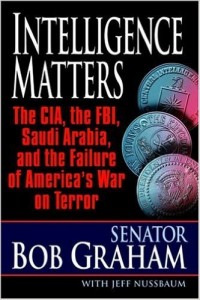
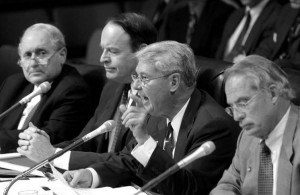
Intelligence Matters: The CIA, the FBI, Saudi Arabia, and the Failure of America’s War on Terror
Retired Florida U. S. Senator Bob Graham was the head of the US Senate intelligence committee and also the chairman of the 9/11 commission of inquiry. He is the leading person trying to get President Obama to release to the public the suppressed 28 pages of the 911 report which have been hidden. Senator Graham contends that the 19 hijackers, 15 of whom who were Saudi Arabians, could not have pulled off the operation alone and that in fact they were part of a support network involving the Saudi Arabian monarchy and government which helped plan, pay for and execute the complicated 911 plot which, says Senator Graham, would have otherwise been impossible to accomplish. Senator Graham has written the book Intelligence Matters: The CIA, the FBI, Saudi Arabia, and the Failure of America’s War on Terror. It provides a candid insight to the workings of the US in Saudi relations and their implications on US foreign-policy making as it pertains to the middle east and bags tension, contemporary geopolitics.
Guest – Senator Bob Graham, is the former two–term governor of Florida and served for 18 years in the United States Senate. This is combined with 12 years in the Florida legislature for a total of 38 years of public service. As Governor and Senator, Bob Graham was a centrist, committed to bringing his colleagues together behind programs that served the broadest public interest. He was recognized by the people of Florida when he received an 83% approval ranking as he concluded eight years as Governor. Bob Graham retired from public service in January 2005, following his Presidential campaign in 2004.
—-

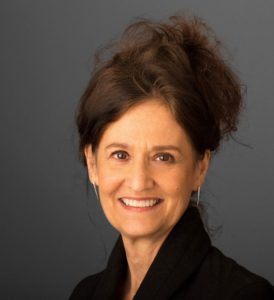
“I Have Nothing to Hide” and 20 Other Myths About Surveillance and Privacy
Should we give up our privacy all together because we think we have nothing to hide? This is the perhaps the most pervasive of the myths about surveillance and privacy that Heidi Boghosian explores in her new book titled I Have Nothing to Hide and 20 Other Myths About Surveillance and Privacy.
Other popular misconceptions detailed in the book include the notion that surveillance makes the nation safer, no one wants to spy on kids, police don’t monitor social media, metadata doesn’t reveal much about me, Congress and the courts protect us from surveillance, and there’s nothing I can do to stop surveillance.
Privacy is a fundamental right, and one that we often take for granted in the digital era. In her new book from Beacon Press, Heidi debunks some of the reasons these myths have evolved and why we unquestioningly believe them. She warns of the dangers they present to our freedoms and suggests ways to protect ourselves from the government and corporations.
Guest – Attorney Heidi Boghosian is a New York City attorney, activist, and nonprofit director. She currently runs the A.J. Muste Memorial Institute, a charitable organization providing support to activist organizations. Before that she was executive director of the National Lawyers Guild. Her book I Have Nothing to Hide: And 20 Other Myths About Surveillance and Privacy was published in July 2021 (Beacon Press) and her earlier book Spying on Democracy was published in 2013.
————————————————-
Civil Liberties, Human Rights, Prison Industry, Supreme Court, Torture, Truth to Power, War Resister
Podcast: Play in new window | Download
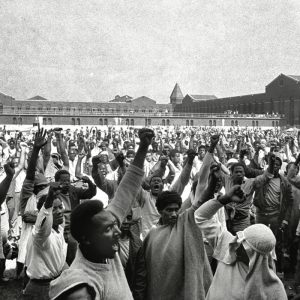
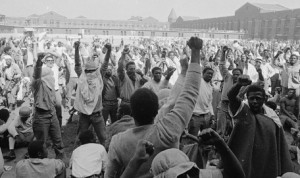
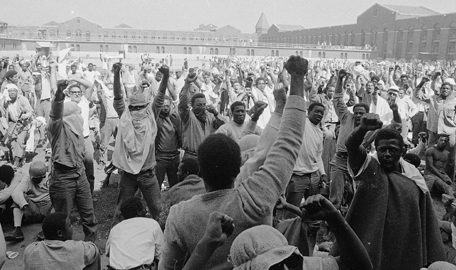
50th Anniversary Of The Attica Prison Uprising
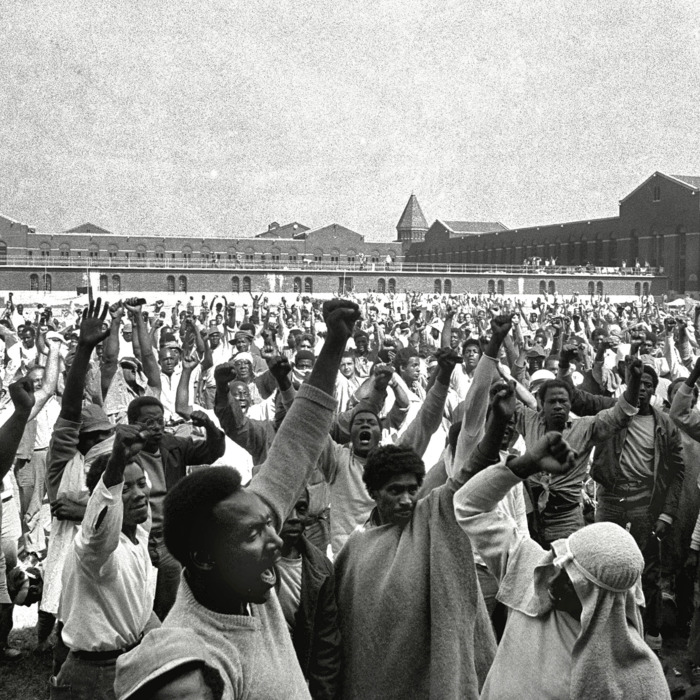
September 9th marks the 50th anniversary of the Attica prison uprising and the subsequent massacre by New York State police and prison guards. The rebellion at Attica prison, a medieval looking place near Buffalo New York, began on September 9, 1971 and ended four days later with governor Nelson Rockefeller, and aspiring presidential candidate, ordering the massacre. It resulted in the most people ever killed in a civil setting in the history of the USA.
The rebellion was inspiring to many around the country and around the world in that it represented a growing movement fighting for prisoners and human rights.
Civil rights attorneys, many from the National Lawyers Guild, came from around the country to immediately respond to the massacre. They provided legal representation to inmates who were charged with crimes due to their involvement in the rebellion.
Many of the participants, particularly key organizers, were subject to abuse and torture by the prison guards after the rebellion was suppressed.
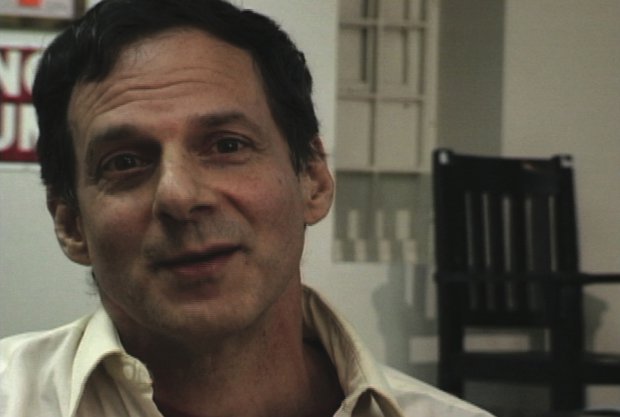
Guest – attorney Michael Deutsch from the Peoples Law Office in Chicago. He along with the late attorney Elizabeth Fink were the main lawyers for the Attica brothers. He represented several Attica brothers in criminal lawsuits and the brothers in a class action civil rights lawsuit which lasted over 20 years and settled in 1999 for $12 million.
—-
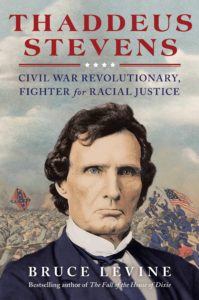
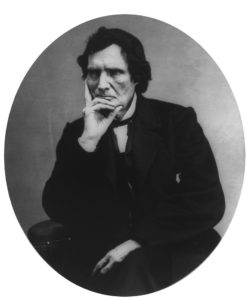
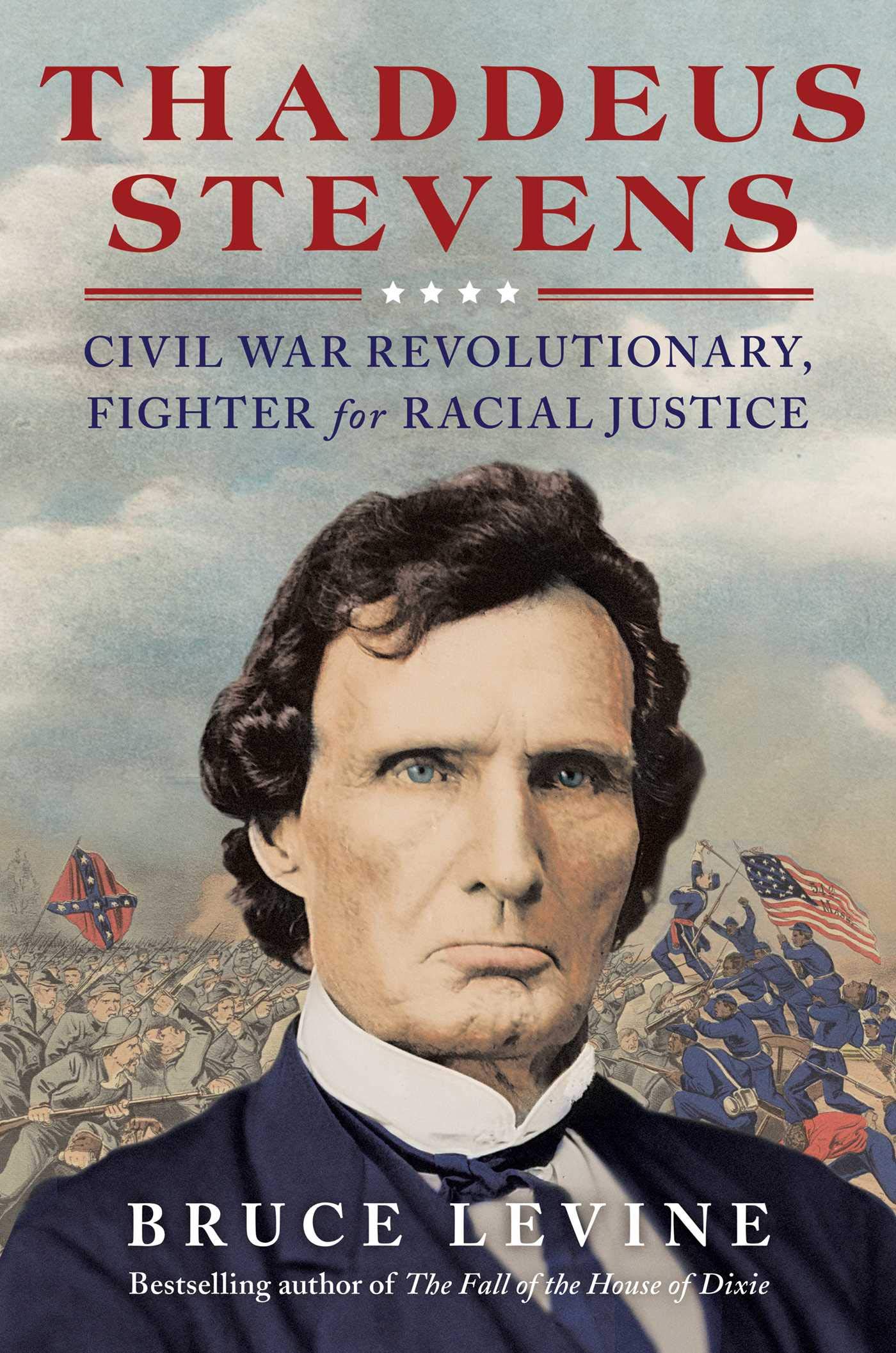
Stevens Thaddeus Stevens: Civil War Revolutionary, Fighter for Racial Justice by Bruce Levine
The 1861 to 1865 Civil War and the reconstruction period which followed it is widely considered to be the second American revolution. The slave-owning planter class in the south was defeated, at least for a while. Slave labor was abolished, but came back in other forms after reconstruction was crushed by 1877.
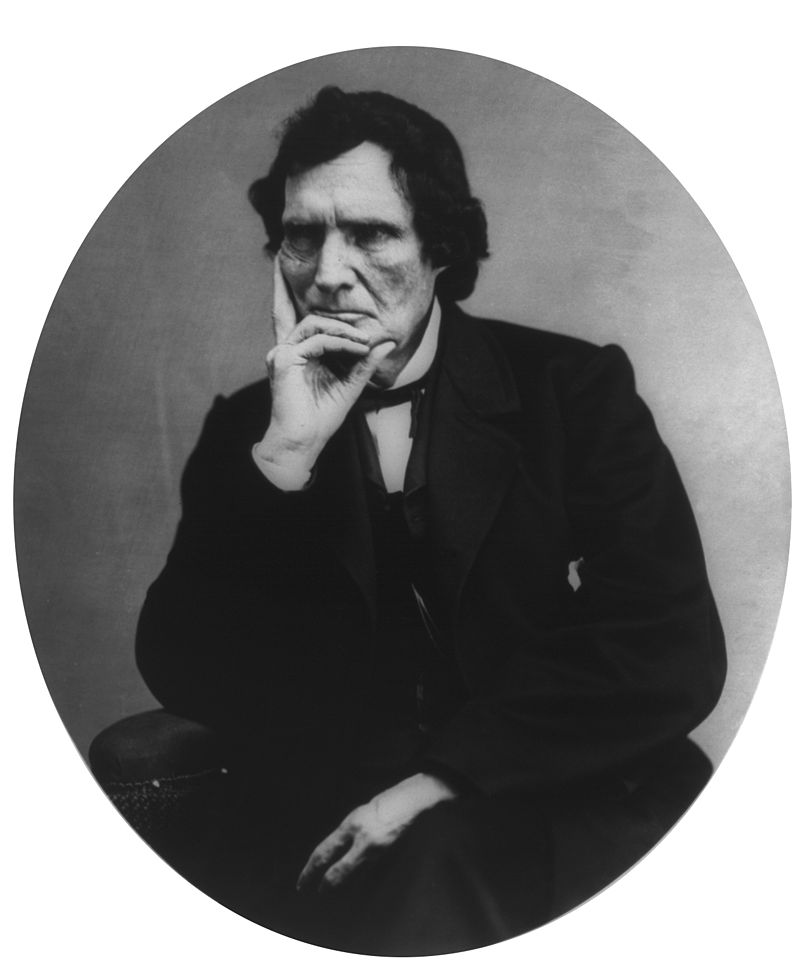
The promise of the declaration of independence that all men are equal before the law was fulfilled, at least for a while. Pennsylvania congressman Thaddeus Stevens was the foremost political leader in the struggle, even more than Abraham Lincoln. Stevens helped to bring about the abolition of slavery and was a leader in the effort during Reconstruct to make the United States a biracial democracy This wise and eloquent revolutionary has been vilified and rendered rendered obscure during most of the years since he died 153 years ago.
The distinguished historian Bruce Levine in his just published biography of Stevens “Thaddeus Stevens: Civil War Revolutionary, Fighter for Racial Justice” has secured a place for him alongside his contemporary John Brown in the pantheon of American revolutionary figures.
Guest – Bruce Levine, emeritus professor of history at the University Illinois and the author of four previous books on the Civil War era.
——————————-
CIA Sponsored Terror, Civil Liberties, Habeas Corpus, Human Rights, Political Prisoner, Prison Industry, Torture, Truth to Power, War Resister
Podcast: Play in new window | Download
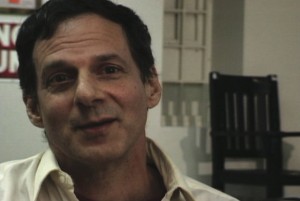
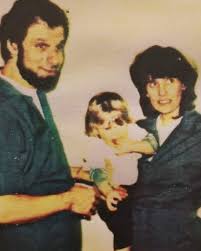
David Gilbert Granted Clemency
My 77 year old friend David Gilbert was granted clemency by Governor Cuomo on August 23, 2021. David had served 40 years in almost every maximum-security prison in the state of New York. He had been sentenced to 75 years to life for his role as a getaway driver in the infamous 1980 Brinks armored truck robbery in in Rockland County. He was convicted of felony murder. Though he didn’t shoot anybody. Two Policeman and a security guard were killed. The law of felony murder states that if you are part of the crime even though you didn’t kill anybody you are also guilty of murder.
Cuomo granted clemency when he had one foot out the door with a moving van at the governor’s mansion and only five hours left as governor. David had support from many people including many influential people like two Nobel prize winners; one of them was Bishop Desmond Tutu, a hero of the South African anti-apartheid movement.
David’s great achievement was keeping his revolutionary politics and his health both mental and physical while serving those four decades of confinement, torment, and poor food. He wrote two books including one titled No Surrender. When my wife Debby and I would visit him it was always an up for us. He kept our spirits up. He would bound in to the visiting room and give us a hug. We will talk politics straight through for five hours. He was up to the minute on political events in America and around the world. He read widely. He subscribed to the New York Times which came three days late. A friend of his sent him a one hundred page collection of articles from the Internet every month. David never got a disciplinarian infraction over the course of all those years. He mentored many young people with whom he would correspond. Many would come visit him. Sometimes all the way to Wende Prison in Buffalo or to Dannemora in the Finger Lakes.
Because of the grant of clemency David is now eligible for parole and will soon come up before the parole board. They don’t necessarily have to let him out. We will keep up support and hope that sooner rather than later David Gilbert will be home and present amongst us. He is the real thing: A revolutionary leader and thinker. David, I’m behalf of all your friends and supporters we congratulate you.
—-
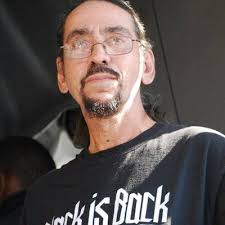
Remembering The Life Of Glen Ford
Glen Ford died last July 28 of lung cancer. I knew Glen the last seven years of his life. I first met him in 2014 after a speech that he gave at Harlem’s Riverside Church church on the occasion of the 7th anniversary of the Black Agenda Report of which he was the executive editor. The two other editors were Margaret Kimberley, who has taken over as the editor, and the late Bruce Dixon of Chicago who died two years ago. They were a formidable threesome. That night he spoke about what he called the Black misleadership class, a description he coined, and how it was an enemy of the movement. He said the Democratic party, which they populate, was not the lesser of two evils but the most effective of two evils.
In particular, he zeroed in on New Jersey Senator Cory Booker. I kept in touch with Glen. He was a guest on Law And Disorder several times.
I helped assemble a selection of his writings titled The Black Agenda which will very soon be published by OR books. Two months ago the publisher of OR books, Colin Robinson and I drove out to New Jersey to visit Glen.
He had just got out of the hospital where they took fluid out of his cancerous lung. He was somewhat frail but pretty chipper. We ate bagels and cream cheese at the dining room table and talked politics for two hours. As we left Colin remarked that it was a shame we hadn’t recorded our conversation. Glen was brilliant. Glen was the real thing. A Black nationalist and a socialist, as he described himself. He was a former Black Panther and usually wore a black beret when he spoke. He ended his speeches with his right arm held high in the air saying “power to the people.“
—-
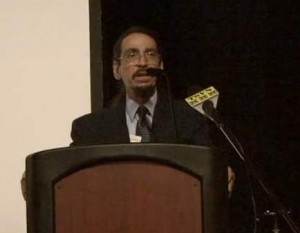
The Black Misleadership Class Versus the Movement and its Legacy
We go now to hear Glen Ford speaking at the Black Agenda Report 7th anniversary gathering at Harlem’s Riverside Church. The theme of the event was ““The Black Misleadership Class Versus the Movement and its Legacy.” Ford gives strong criticism of newly elected New Jersey Senator Cory Booker as the essence of Black misleadership, showing the many ties of the current Newark mayor to corporate America.
Glen Ford is the Black Agenda Report executive editor Glen Ford can be contacted at Glen.Ford@BlackAgendaReport.com.
—-
American Spring: Unfolding Crisis
The Chinese word for crisis consists of two characters. One means danger, the other means opportunity. We currently are in an historically unprecedented situation fraught with both danger and possibilities. Russian revolutionary Vladimir Lenin once remarked that sometimes nothing happens in decades and other times decades happen in a few weeks. This is our situation now. We see an American spring unfolding.
The public lynching of George Floyd has triggered massive outpourings in several thousands of American cities, both large and small. Black Lives Matter is supported by a majority of Americans including a majority of whites. This kind of broad solidarity was absent during the time of Rev. Martin Luther King Jr.
The demonstrations are in large part led by people of color, mostly young people. Elected officials and traditional civil rights leaders are not leading the current uprising. As the L.A. Progressive has written, “The gross underlying inequality, racially and more broadly economically, affects every aspect of life in the US. and is the root cause of the volcanic anger irruption against the veneer of obsolete institutions.“
Guest – Glen Ford, editor of the Black Agenda Report. Ford founded the Black Agenda Report and has edited it since 2006. He was a founding member of the Washington chapter of the National Association of Black Journalists and he has delivered presentations at many colleges and universities.
——————————————–
CIA Sponsored Terror, Civil Liberties, Criminalizing Dissent, Habeas Corpus, Human Rights, Political Prisoner, Supreme Court, Surveillance, Torture, Truth to Power, War Resister
Podcast: Play in new window | Download

Charges Dropped Against Pipeline Activists
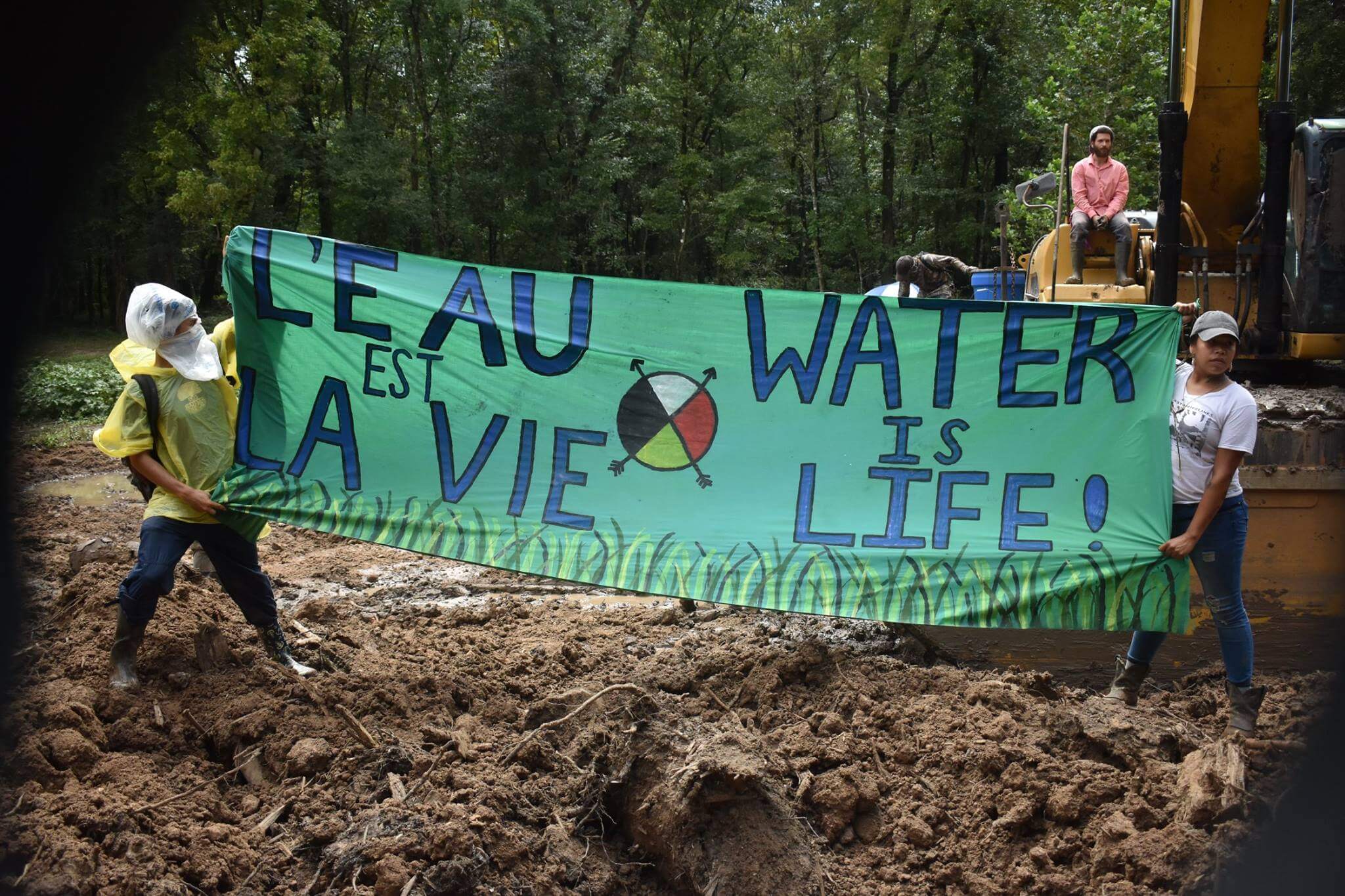
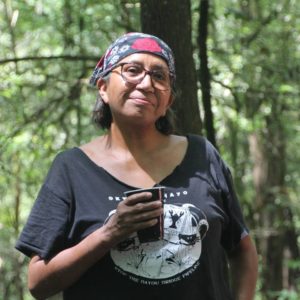
The climate movement won a significant victory on July 13 when all charges were dropped against 16 pipeline protesters and a journalist. The local district attorney in Saint Martinsville, Louisiana rejected all criminal charges and vowed not to prosecute them for alleged violations of Louisiana’s anti-protest amendments to their critical infrastructure law.
The Bayou Bridge pipeline is the tail end of the infamous 1172 mile long Dakota access pipeline which brings dirty oil from North Dakota to the Gulf of Mexico. The end of the pipeline runs from Texas to Louisiana.
In 2018, in the midst of fierce opposition to the Bainbridge Pipeline and at the urging of an industry association to Louisiana legislator added pipelines to the definition of critical infrastructure to significantly raise the penalties for people protesting pipeline project. Those found guilty could be punished with five years in prison with or without hard labor.
This critical infrastructure law is part of a national effort to crack down an environmental activists across the US. The law in Louisiana was adopted from model legislation put forward by ALEC, the corporate funded politically conservative group. Similar legislation aimed at pipeline protesters has been introduced more than 23 times in 18 states since 2017 and is in effect in 15.
Karen Savage, an independent journalist who was arrested, said that “the first amendment guarantees water protectors the right to protest and protects my right as a journalist to report those protest without fear of retribution.“
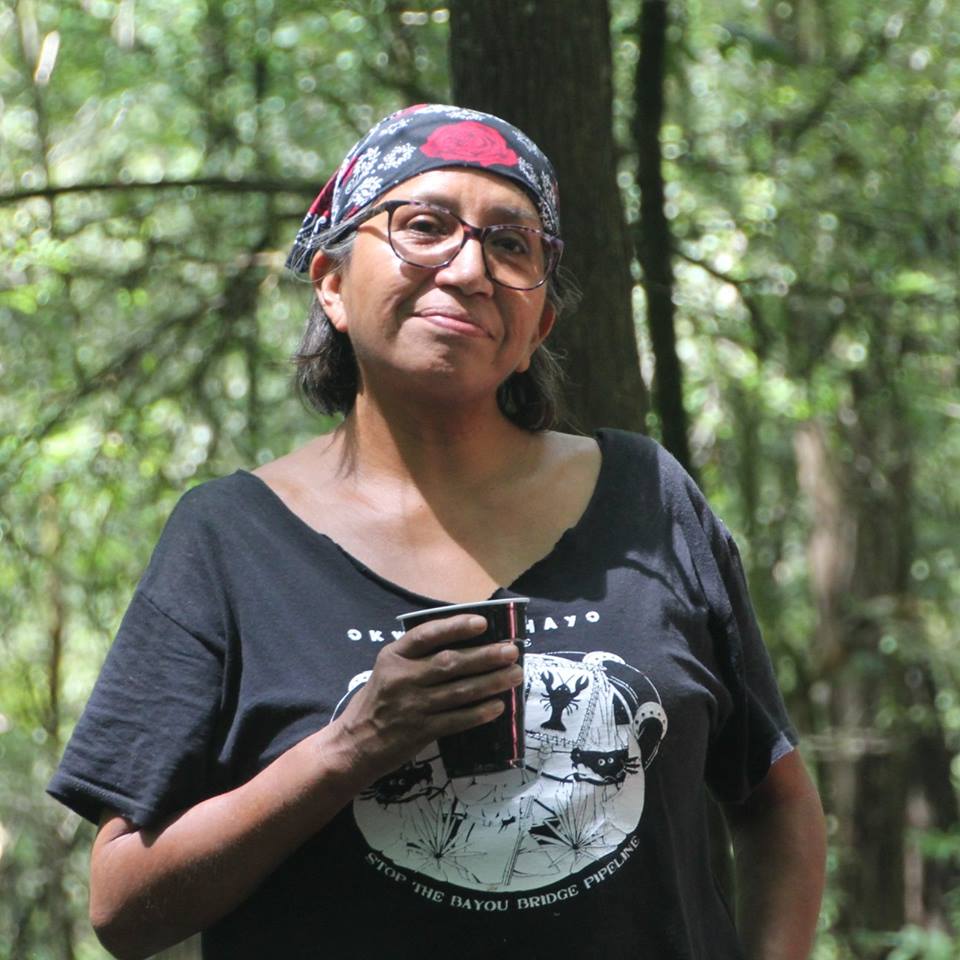
Guest – Anne White Hat, one of the people arrested and charged under the law. Whitehat Botanicals
Guest – Attorney Pam Spees, one of the team of attorneys that handled the criminal defense case. She’s also representing Anne White Hat in a case challenging the constitutionality of the Louisiana law. Whitehat v. Landry
—-
Continued Erosion Of Voting Rights In The United States
We are in the middle of a second great disenfranchisement in America. The first was after the Civil War reconstruction ended and Black people were stripped of their right to vote and their ability to hold office. This disenfranchisement lasted almost 100 years until the modern civil rights movement of the 1960s.
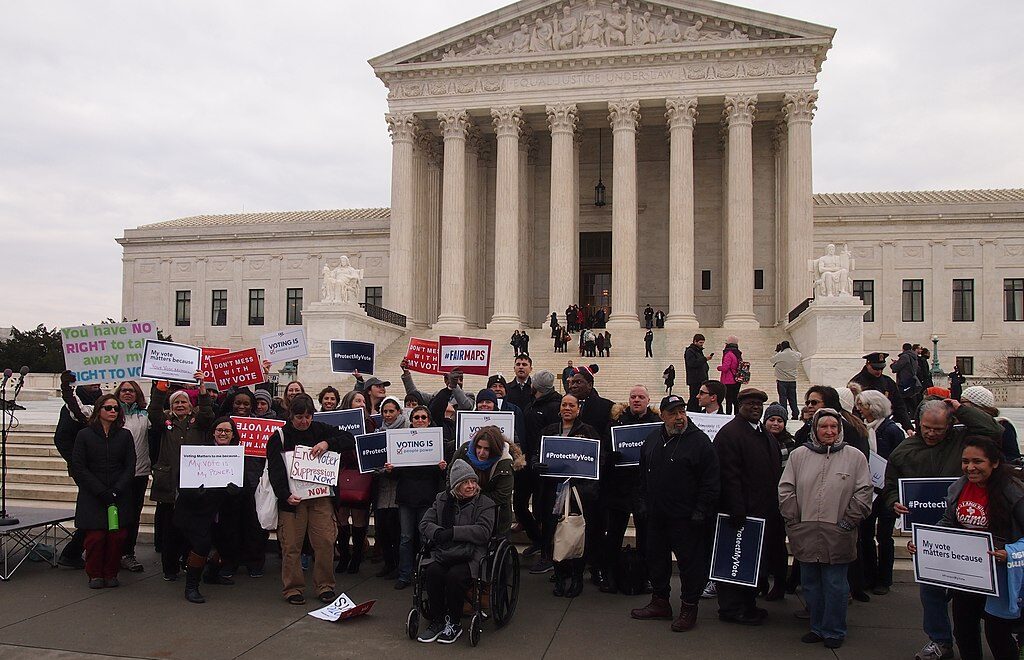
Legislatures in Republican run states are imposing new voting restrictions particularly on non-white voters. The Brennan Center found that as of June 20th, 17 states enacted 28 new laws restricting the ability to vote since the start of the year.
Republican run states hastened to restrict voting by mail and in person, voting hours and locations, and the implementation of voter registration and voter ID requirements.
Georgia banned giving food or water to voters waiting in long lines, lines that were caused by reduced access to ballot casting locations in Black precincts. They get away with this by raising the imaginary problem of voter fraud.
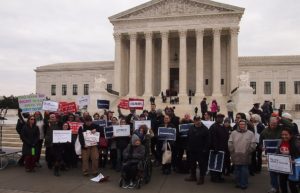
The Supreme Court has six reactionary judges and three liberals. Three of the reactionaries were added to the court by Donald Trump. The reactionaries recent decision in Brnovich v Democratic National Committee delivered a huge hit to American democracy, such as it is. The decision makes the Court look like an obvious political institution where justices are simply partisan politicians with robes.
In the recent Brnovich decision, the court eviscerated the strongest remaining sections of the Voting Rights Act rights of 1965 which held that election laws and voting rules that actually had a racially discriminatory impact could be blocked.
The first major blow to the voting rights act was in 2013 when the court held in Shelby versus Holder that federal authorities could no longer block regressive new election laws or voting rules in jurisdictions with histories of discrimination.
“Effectively, most of the Voting Rights Act is now dead,” declared Hamlin University scholar David Schultz who specializes in elections.
Guest – Marjorie Cohn, professor emerita at Thomas Jefferson School of Law where she taught from 1991-2016, and a former president of the National Lawyers Guild. She lectures, writes, and provides commentary for local, regional, national and international media outlets. Professor Cohn has served as a news consultant for CBS News and a legal analyst for Court TV, and a legal and political commentator on the BBC, CNN, NPR, and other major stations.
——————————————————–