Civil Liberties, Criminalizing Dissent, Human Rights, Surveillance, Torture, Truth to Power
Podcast: Play in new window | Download

Vaccine Passports, Privacy And Civil Liberties
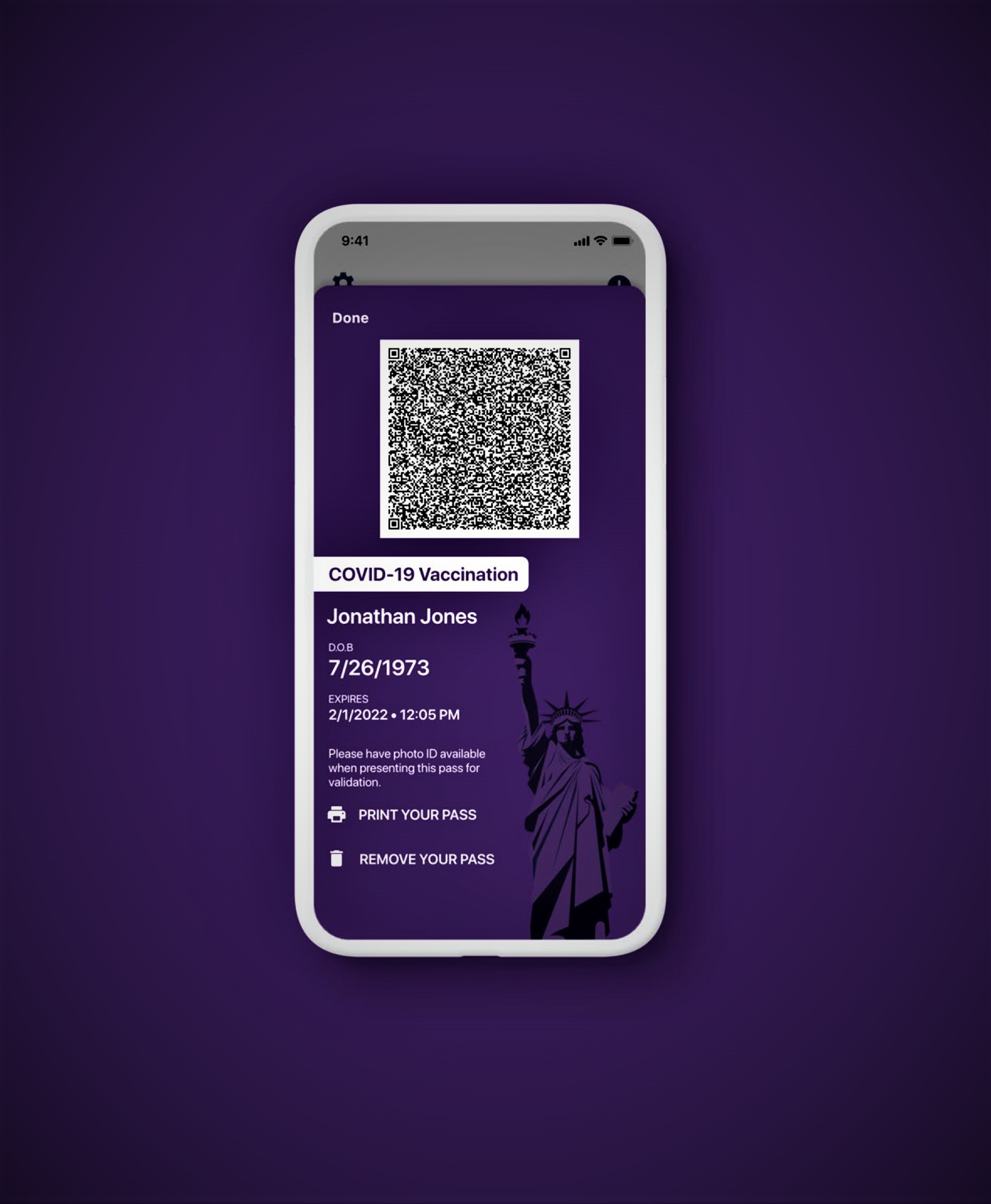
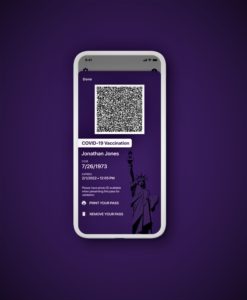
New York State became the first in the country to premier a Covid-19 vaccine passport. They call it the Excelsior Pass and proponents say it’s a safe and efficient way for people to return to sporting events, concerts, Broadway theaters and other large group settings. You show a QR code proving a recent negative test or full vaccination.
The pass is voluntary and lets New Yorkers upload their official results—from a number of different vaccination sites and labs—into the system to verify that the person holding the pass meets the standards for entry. The state first used the pass at a Buffalo Bills football game in January after which they monitored attendees for 14 days after and discovered “almost negligible” transmission.
Registration in the program requires three pieces of information: Name, date of birth, and zip code. The pass is matched to vaccination and testing records using a series of questions to prevent fraud. When the person arrives at a venue, all they have to do is show a photo ID with their code, which will generate a green check mark at the venue.
New York state officials say they’ve been in close talks with surrounding states about integrating systems, but their neighbors say it’s not the priority. What are vaccine passports and who is considering implementing them? Connecticut, for example says it doesn’t have immediate plans to roll out a vaccine passport, although Governor Ned Lamont has said it’s possible to see private sector solutions if demand grows and if the technology is proven effective.
Guest – Attorney David J. McGuire, executive director of the ACLU of Connecticut. McGuire also is the chair of the Connecticut Special Advisory Committee to the U.S. Commission on Civil Rights, serves on the state’s Racial Profiling Prohibition Project Advisory Board, and is a member of the Commission on Racial and Ethnic Disparities in the Criminal Justice System.
—-
Attorney Flint Taylor : Police Brutality And The Derek Chauvin Trial
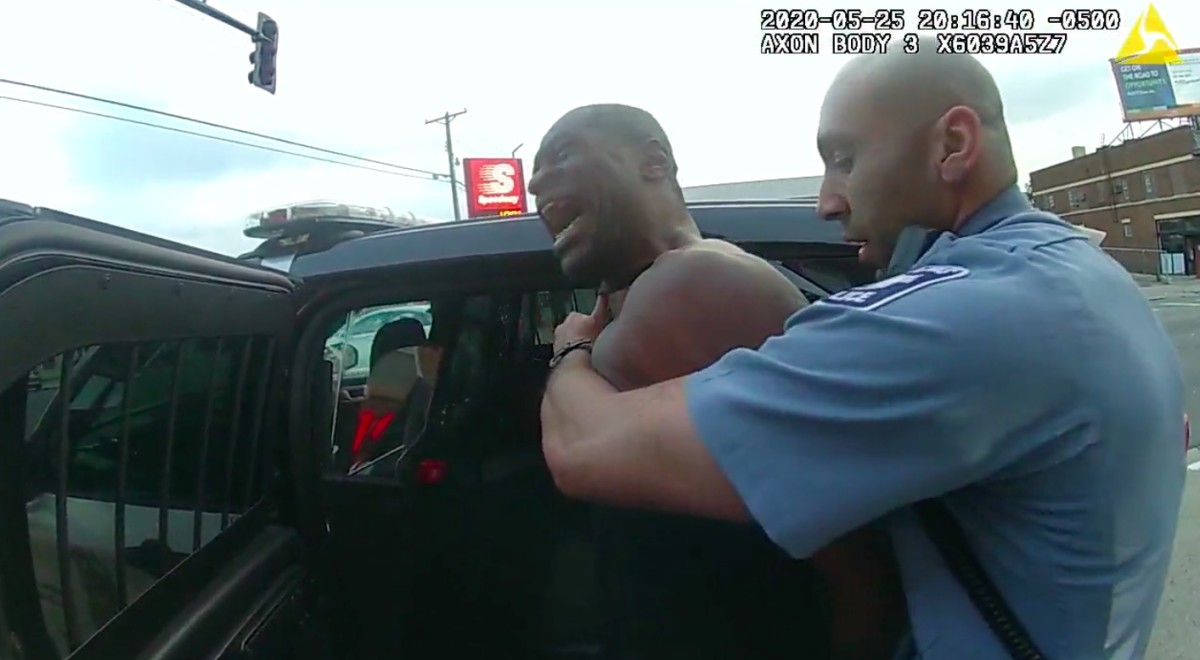
The cruel and sadistic police murder of George Floyd last June on a Minneapolis sidewalk was videoed by a courageous 17 year old bystander. Her video was viewed by Americans across the country and the world. It captured Minneapolis police officer Derek Chauvin, smirking, with one hand in his pocket as he knelt for 9 minutes and 29 seconds on George Floyd’s neck. Floyd was handcuffed behind his back and restrained by two other police officers at the time. He begged for his life, called for his mother, and repeatedly said “I can’t breathe!”
Onlookers gathered in protest as the murder progressed but their intersession was of no avail. George Floyd‘s life drained out of him. He lost his pulse. Still Chauvin persisted, kneeling on a dead man. An ambulance came to take away George Floyd’s corpse.
People responded, it was massive and sustained. In some two thousand cities across America 20 million people, white and Black , Black lead, protested in the streets. More than demanding that George Floyd’s killer be brought to justice, they demanded that police departments be defunded, that police be controlled by the community, and that ending police murders of Black people be brought to halt once and for all.
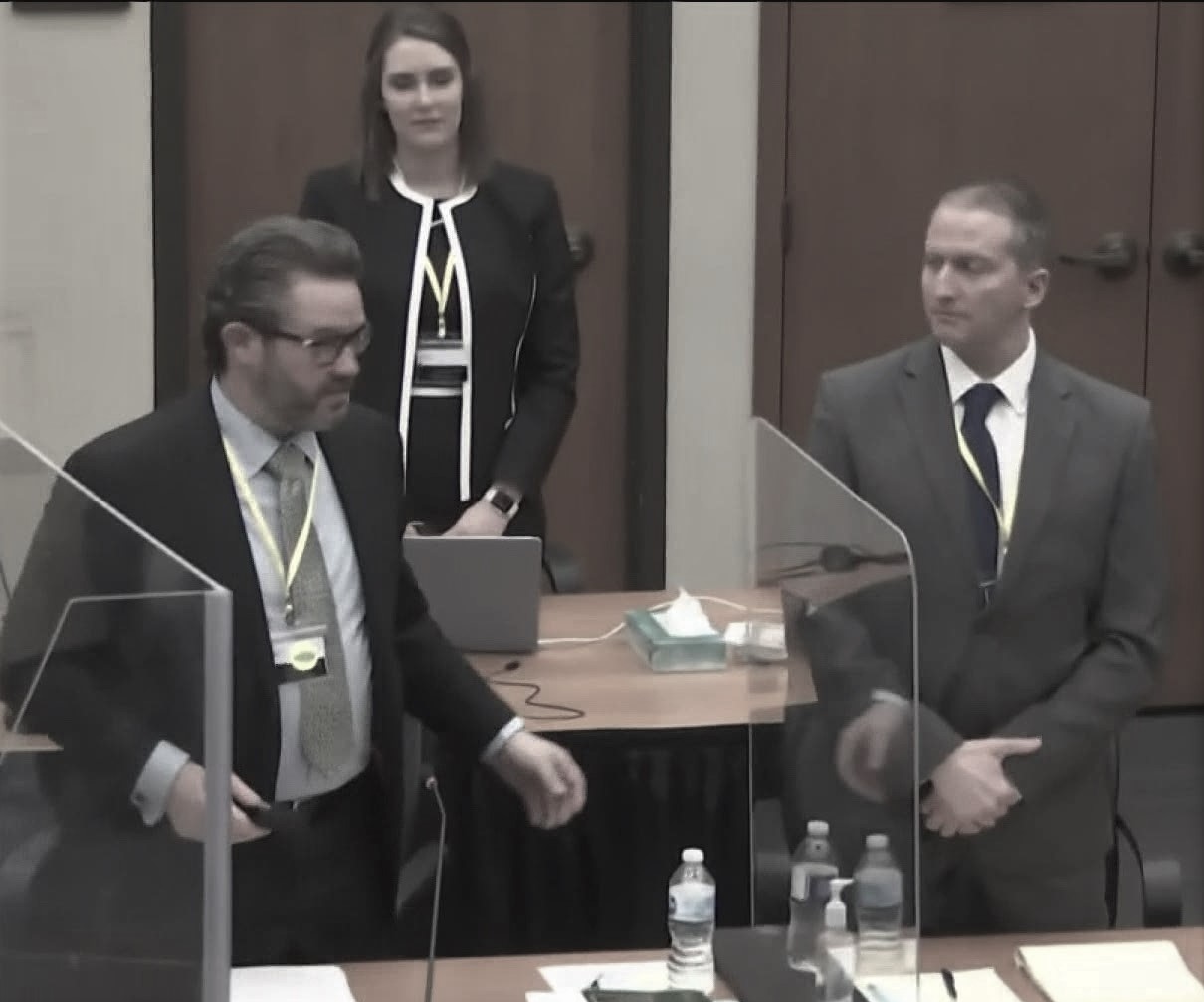
We are now in the midst of the trial of killer cop Derek Chauvin. Millions of Americans are watching the trial. It seems to them that this latest racist police outrage is the culmination of so many past murders. They are asking, what is to be done?
Guest – Attorney G. Flint Taylor is a founding partner of the People Law Office in Chicago starting out over 50 years ago representing the family of Black Panther leader Fred Hampton, Who was assassinated by the Chicago Police Department with the help of the FBI. He has represented numerous police torture survivors during the past 33 years. Taylor was one of the lawyers involved in the struggle for reparations and has chronicled the decade long fight against Chicago police torture in his award-winning book “The Torture Machine : Racism and Violence in Chicago.

—————————————–
CIA Sponsored Terror, Civil Liberties, Crony Capitalism, Habeas Corpus, Human Rights, Political Prisoner, Supreme Court, Surveillance, Truth to Power, War Resister
Podcast: Play in new window | Download
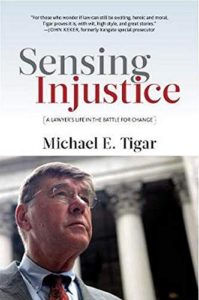
Sensing Injustice: A Lawyer’s Life And The Battle For Change
We are going to spend the entire hour with attorney Michael Tigar to discuss his just published magnificent memoir Sensing Injustice: A Lawyer’s Life And The Battle For Change.
By the time he was 26, Michael Tigar was a legend in legal circles well before he would take on some of the highest profile cases of his generation. In his first US Supreme Court case, at the age of 28, Tigar won a unanimous victory that freed thousands of Vietnam war resistors from prison. Tigar also led the legal team that secured a judgment against the Chilean Pinochet regime for the 1976 murders of dictator Pinochet opponent Orlando Letelier and his colleague Ronnie Moffit in a Washington, DC car bombing.
He then worked with the lawyers who prosecuted Pinochet for torture and genocide. A relentless fighter of injustice, Tigar has been counsel for Angela Davis, Jamil Abdullah Al-Amin (H.Rap Brown). Tigar the Chicago Eight, and leaders of the Black Panther Party, to name only a few. His book is about stories, people stories of injustice, struggle, and sometimes vindication as he put it. Michael Tigar is a magnificent storyteller with a dry wit and a prodigious memory. Monthly Review link to Sensing Injustice
Guest – Constitutional attorney Michael Tigar, professor emeritus from The Washington College of Law and has taught at the University of Texas and Duke University. He has practice before the Supreme Court, arguing his first case when he was 24 years old. Tigar has written or edited more than a dozen of important books including “Law and the Rise of Capitalism.“ He has worked for over 50 years with movements for social change as a human rights lawyer, law professor, and writer. Since 1996 he has practiced law with his wife Jane B. Tigar. Michael Tigar’s blog Tigarbytes.
———————————–
Civil Liberties, Human Rights, Political Prisoner, Prison Industry, Prosecution of the Bush Administration, Supreme Court, Surveillance, Targeting Muslims, Truth to Power, War Resister
Podcast: Play in new window | Download
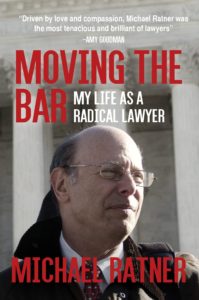
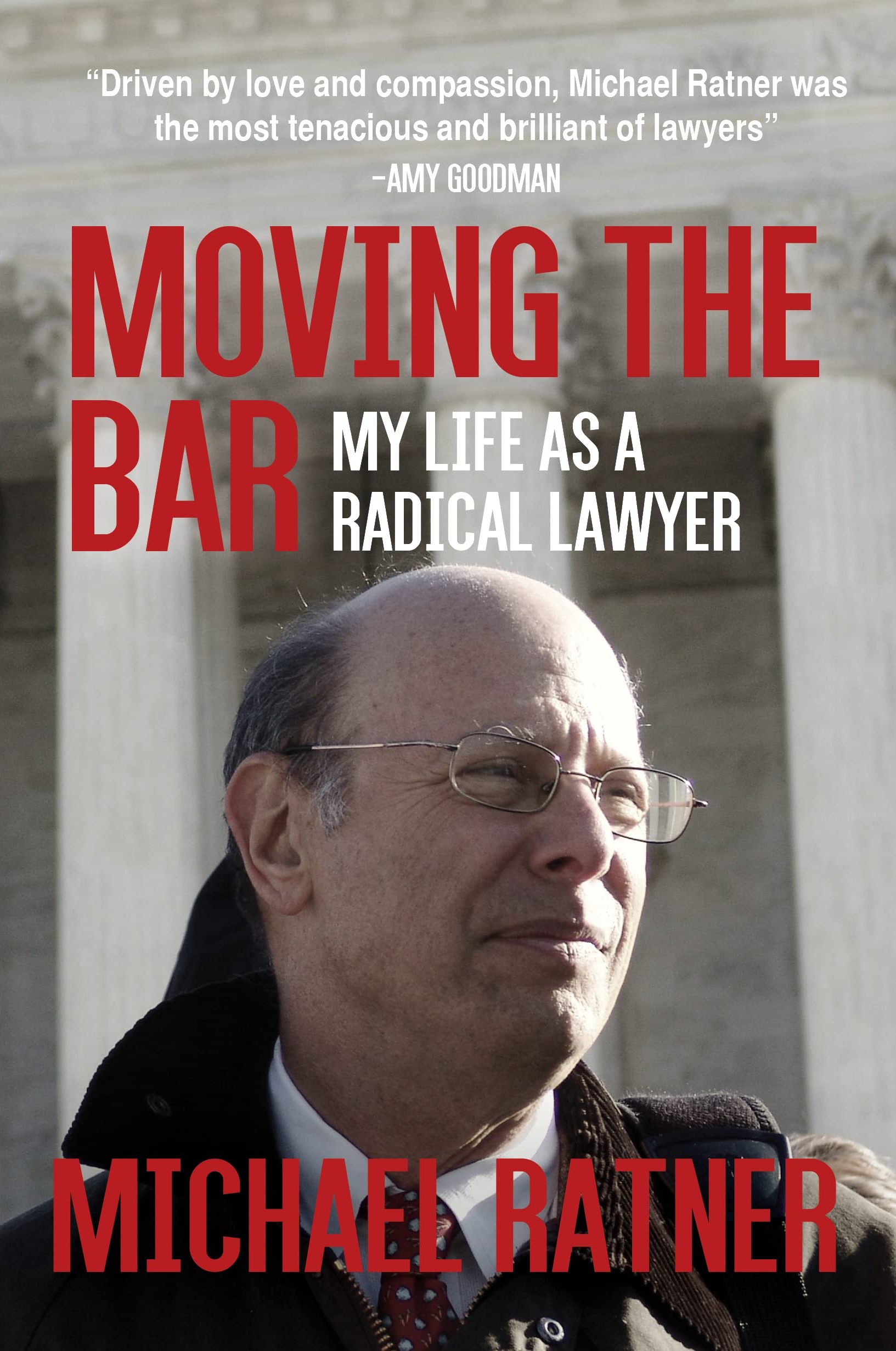
Moving The Bar: My Life As A Radical Lawyer
Michael Ratner’s memoir Moving The Bar: My Life As A Radical Lawyer will be available at OR Books. As listeners know, Michael Ratner was one of the most important civil rights attorneys in our era. He spent his life fighting on behalf of those who state and empire sought to crush, from the leaders of the prison uprising at Attica to Muslim prisoners held in Guantanamo, to Julian Assange.
Michael Ratner (1943–2016) worked for more than four decades at the Center for Constitutional Rights becoming first the Director of Litigation and then the President of what Alexander Cockburn called “a small band of tigerish people.” He was also the President of the National Lawyers Guild. Michae Ratner handled some of the most significant cases in American history. This book tells why and how he did it. His last case, which he worked on until he died, was representing truth-telling whistleblower and now political prisoner Julian Assange, the editor of WikiLeaks. Ratner “moved the bar” by organizing some 600 lawyers to successfully defend habeas corpus, that is, the ancient right of someone accused of a crime to have a lawyer and to be brought before a judge. Michael had a piece of paper taped on the wall next to his desk at the CCR. It read:
Four Key Principles Of Being A Radical Lawyer:
1. Do not refuse to take a case just because it is long odds of winning in court.
2. Use cases to publicize a radical critique of US policy and to promote revolutionary transformation.
3. Combine legal work with political advocacy.
4. Love people.
We hear interviews about Michael Ratner with Chris Hedges’s show On Contact, Attorneys Eleanor Stein, Richard Levy and David Cole.
————————–
Afghanistan War, Civil Liberties, Guantanamo, Habeas Corpus, Human Rights, Iraq War, Prison Industry, Targeting Muslims
Podcast: Play in new window | Download


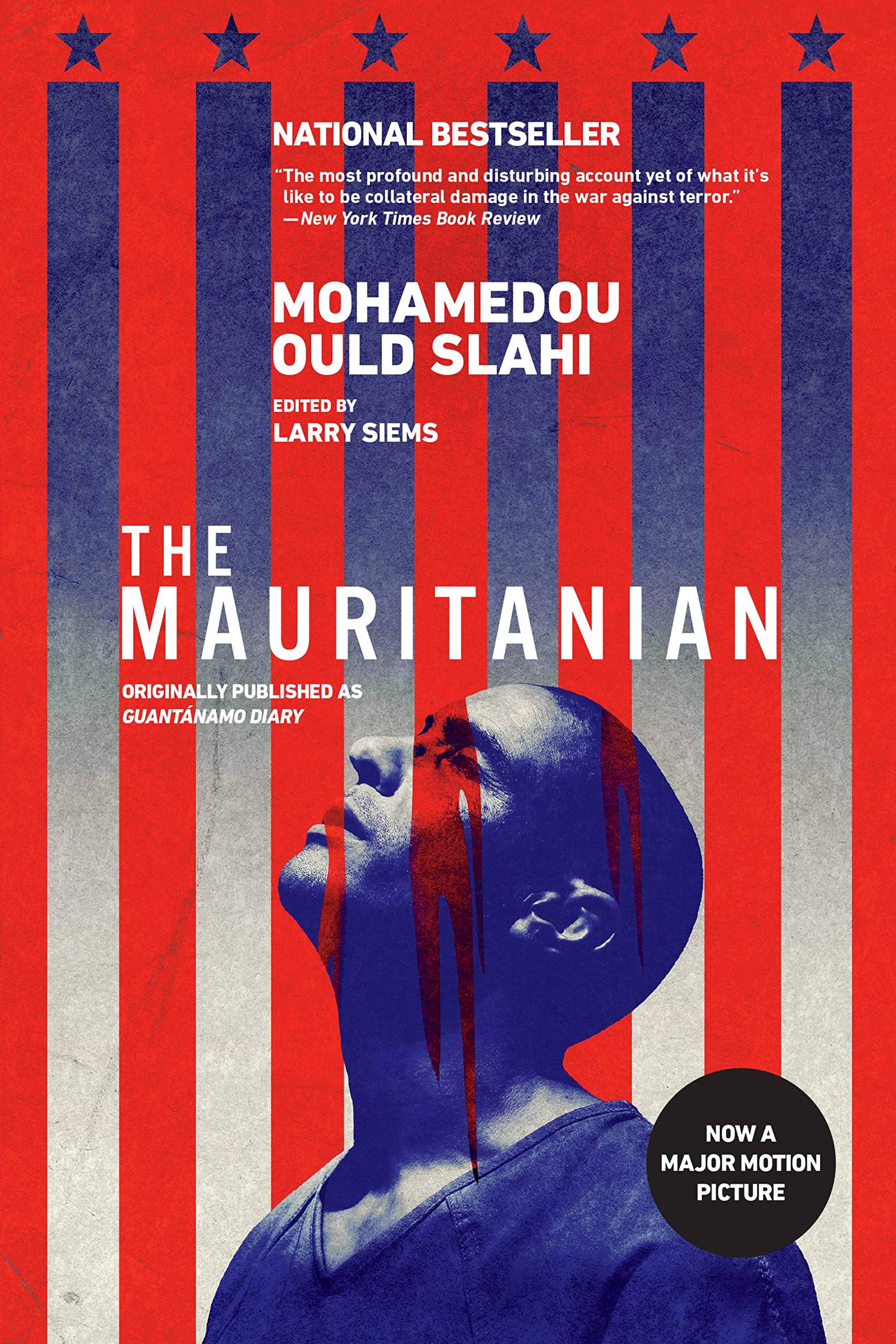
Jodie Foster Plays Attorney Nancy Hollander in The Mauritanian
In 2019 Law & Disorder interviewed Nancy Hollander for our Lawyers You’ll Like series. Nancy secured whistleblower Chelsea Manning’s release in 2017 when President Obama commuted her sentence from 35 to 7 years. Nancy was also an attorney in the landmark Holy Land Five Case. In her law practice she often represents individuals and organizations accused of crimes involving national security.
We also spoke with Nancy in 2018 about her client Mohamedou Ould Slahi, whose release she obtained after he served 15 years in the American offshore prison camp in Guantanamo Bay Cuba, without ever being charged of a crime. Slahi wrote a memoir about his experience in prison called Guantanamo Diary, where he was tortured in ways personally approved by then-Defense Secretary Donald Rumsfeld. Thanks to Nancy Hollander the book was published in 2015 and became an international bestseller. Fast forward to 2021. A new film, The Mauritanian, features Jodi Foster as Nancy. Foster has already won a Golden Globe for her performance, and the film sheds light on Nancy’s tenacious fight to free her client, the secretive prison camp and the illegal practices therein.
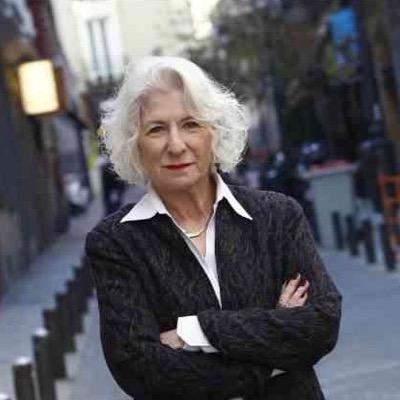
Guest – Attorney Nancy Hollander has been a member of the firm Freedman Boyd Hollander Goldberg Ives & Duncan, P.A. since 1980 and a partner since 1983. Her practice is largely devoted to criminal cases, including those involving national security issues. She has also been counsel in numerous civil cases, forfeitures and administrative hearings, and has argued and won a case involving religious freedom in the United States Supreme Court. Ms. Hollander also served as a consultant to the defense in a high profile terrorism case in Ireland, has assisted counsel in other international cases and represents two prisoners at Guantanamo Bay Naval Base. Nancy is co-author of WestGroup’s Everytrial Criminal Defense Resource Book, Wharton’s Criminal Evidence, 15th Edition, and Wharton’s Criminal Procedure, 14th Edition. She has appeared on national television programs as PBS Now, Burden of Proof, the Today Show, Oprah Winfrey, CourtTV, and the MacNeill/Lehrer News Hour.
—-
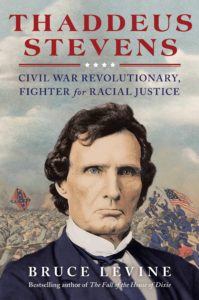
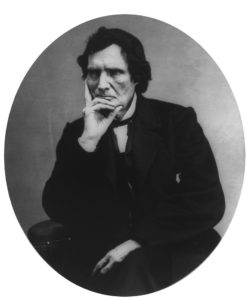
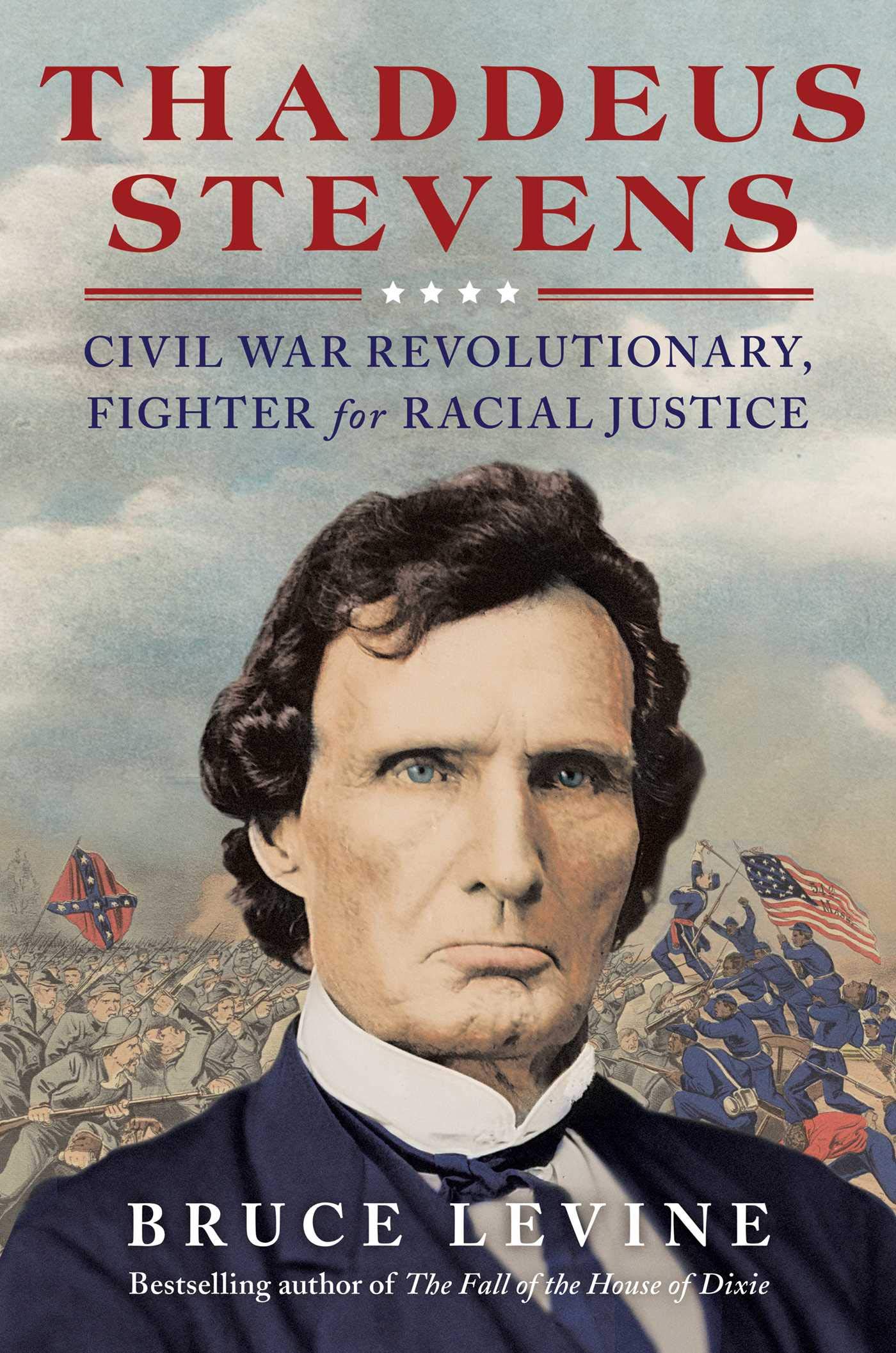
Stevens Thaddeus Stevens: Civil War Revolutionary, Fighter for Racial Justice by Bruce Levine
The 1861 to 1865 Civil War and the reconstruction period which followed it is widely considered to be the second American revolution. The slave-owning planter class in the south was defeated, at least for a while. Slave labor was abolished, but came back in other forms after reconstruction was crushed by 1877.
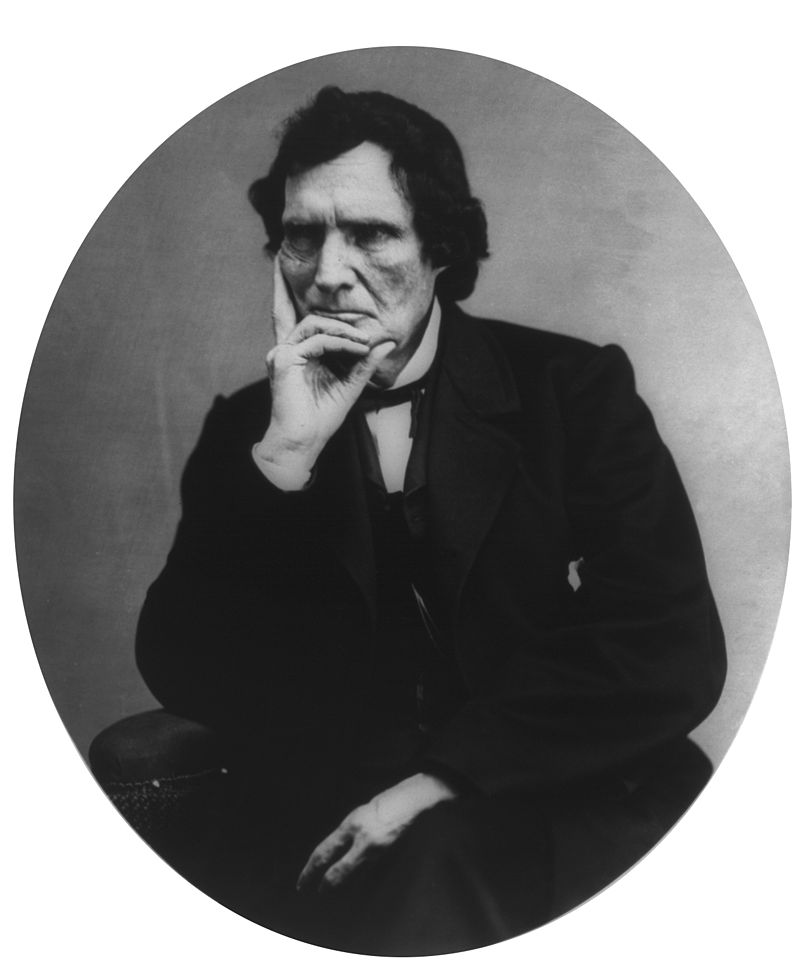
The promise of the declaration of independence that all men are equal before the law was fulfilled, at least for a while. Pennsylvania congressman Thaddeus Stevens was the foremost political leader in the struggle, even more than Abraham Lincoln. Stevens helped to bring about the abolition of slavery and was a leader in the effort during Reconstruct to make the United States a biracial democracy This wise and eloquent revolutionary has been vilified and rendered rendered obscure during most of the years since he died 153 years ago.
The distinguished historian Bruce Levine in his just published biography of Stevens “Thaddeus Stevens: Civil War Revolutionary, Fighter for Racial Justice” has secured a place for him alongside his contemporary John Brown in the pantheon of American revolutionary figures.
Guest – Bruce Levine, emeritus professor of history at the University Illinois and the author of four previous books on the Civil War era.
————————————-
Uncategorized
Podcast: Play in new window | Download

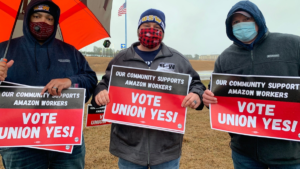
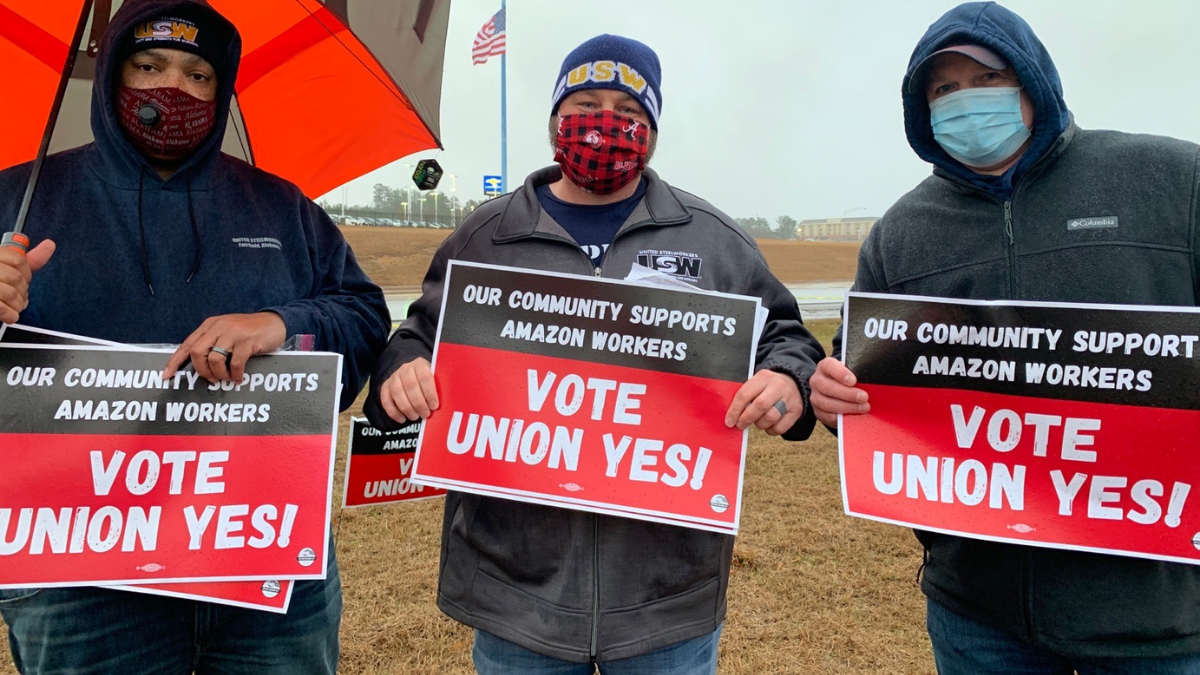
Amazon Workers Unionize At Fulfillment Center In Bessemer, Alabama
There’s an historic battle for union recognition going on now at the Amazon fulfillment center in Bessemer, Alabama where mostly black workers package and ship orders to customers across the South. The votes of 5800 Amazon workers are being counted. On March 29th we will know the outcome on whether the first ever labor union representing Amazon employees with the Retail, Wholesale and Department Store Union will prevail against a vicious trillion dollar company whose profits have almost doubled since the onset of the pandemic. Amazon owner Jeff Bezos is worth $184 billion and is one of the richest men in America.
Amazon employs 1 million people, second only to Walmart which employees over 2 million people. Because most of the workers at the Alabama Fulfillment Center are African-American, the unionization battle is also a civil rights fight. They’ve gotten broad solidarity from many such as celebrity Danny Glover, politicians Jamaal Bowman and Bernie Sanders, and even the players unions in major league baseball and the NFL.
Will a victory in Bessemer open the floodgates? Will other large company work forces be unionized? Will the South be unionized? Will this spread to the north? Historically the south has been a dragging progress in America going all the way back to the time of slavery. Will this start to change?
Guest – Michael Goldfield, former civil rights and labor activist and agitator, Professor Emeritus, and currently a research fellow at Wayne State University in Detroit. He is the author of numerous books and articles on race, labor, and the global economy, including The Decline of Organized Labor in the United States, The Color of Politics: Race and the Main- springs of American Politics, and most recently, The Southern Key: Class, Race, and Radicalism in the 1930s and 1940s.
—-
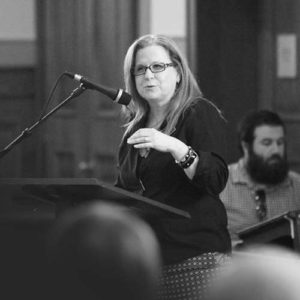
Florida Based Organization Tries To Unite Political Divisions
When asked about the state of politician’s discourse in the US, the public renders a harsh judgment. Many Americans say that their own personal conversations about political issues have become stressful incidents that they’d rather avoid, according to a Pew research poll.
A majority say the tone and nature of debate between politicians has become less fact-based, less respectful, less substantive, and more negative in the past few years. And everyday conversations about politics and other sensitive issues like abortion and free speech are often tense. Half say talking about politics with people they disagree with politically is “stressful and frustrating.”
When speaking with people they don’t know well, more Americans say they would be very comfortable talking about the weather and sports – and even religion – than politics. And it is people who are most comfortable with interpersonal conflict, including arguing with other people, who also are most likely to talk about politics frequently and to be politically engaged.
Why does this matter?
The founding fathers knew that with any political issue came disagreement so they created a system that runs on disagreement. The checks and balances between the branches of power within the Republic depend on division to protect freedom and liberty. The power of one branch is checked when another branch disagrees and seeks to enact its own ideas. So political disagreement, even bitter disagreement, isn’t new. What’s new is the idea that someone who disagrees with you is your enemy. One organization is trying to change this. The Florida-based Village Square has the mission of reviving civic connections across divisions in American communities.
Guest – Liz Joyner, Village Square founder and CEO. Liz has a Masters Degree in Social Work and created the Village Square after her experience working in politics convinced her that the way we work out disagreements in today’s public square is fundamentally flawed.
—————————————————